
What Should A Normal Period Feel Like?
What Should A Normal Period Feel Like?
-By Dr. Samantha Boldt
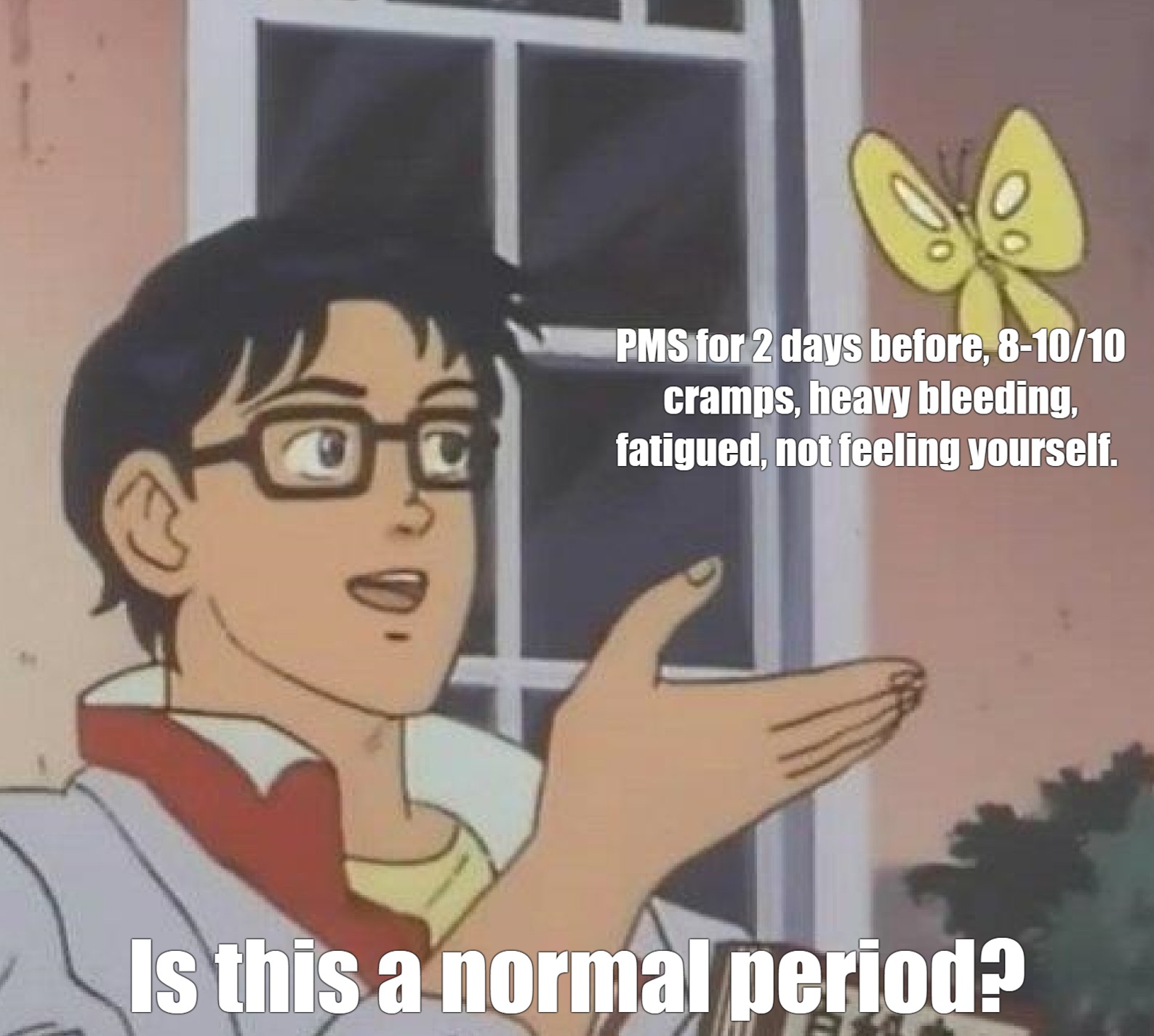
Unfortunately, a lot of girls and young women are never taught what a normal period should feel like. It’s rarely talked about, and when it is, it’s often the stories of horrible abdominal cramps, heavy bleeding, acne, fatigue, anxiety, bloating, extreme emotions that get shared. These stories have come to be thought of as normal. And while I admit that these stories are very common, they are not what a normal period should be.
Then these young women continue to grow up into their 20s, 30s, 40s, and even into the brink of menopause, and they come into my office. They might be coming in due to being more fatigued, more anxious, gaining weight, achiness all over, headaches, etc, but they don’t often come in due to their periods being problematic. However, a typical line of questioning goes as follows.
Me: How have your periods been throughout your life?
Patient: Normal.
Me: Describe normal.
Patient: Well, like two days before I start getting really depressed, and I get a little bloated. Now that I think about it, I’m also always a little more tired during that time, but don’t sleep as well either, because my brain starts thinking about things in the middle of the night. The start of my period isn’t too bad, but after a few hours I start getting a lot of cramping pain, usually 6-9/10, but that only lasts for a day or two. I also have really heavy bleeding and often catch a cold or a little sore throat during my period, so I’m still tired then. But by day 3 or 4, I’m definitely feeling much better. My whole family has always been this way, I mean, it’s just normal right?
Me: No!
How are women in their 30s, 40s, and even 50s still coming in thinking that symptoms similar to the ones above are normal? Two reasons, and neither reason is through any fault of their own. 1) There is very little education out there about what a normal period should be like. 2) Our medical professionals aren’t often trained in women’s health and female hormones (and even when they are the training tends to be centered more around medication and surgery), so they hear all of these common stories and also start mistaking it for normal. Now everyone thinks these symptoms are pretty normal, it just stinks to have to be a woman, and nothing gets done about it.
What’s the solution? Well the medical system and its education takes forever to catch up with anything, so we need to start educating more women about their hormones and their cycles.
What should a normal cycle feel like?
Almost nothing. It is normal for our emotions to change slightly a day or two before our period (Using a scale of 1 to 10, I only want there to be about a 1 or 2 step change in anxiety, stress, sadness, anger or no change at all.) During the second half of our cycle, progesterone rises and makes our brain very happy. A few days before our period, these progesterone levels start dropping. The decrease of progesterone in our brain is one reason for these mood changes. If this decrease happens too quickly or there are other factors causing the receptors in our brain to not respond properly, we are much more likely to have emotional symptoms.
Once our period starts, it is normal to have 1 out of 10 abdominal or lower back pain. Healthy cycle lengths are typically 27 to 32 days. It is very common to have cycle lengths outside of this, but I don’t normally have patients without symptoms outside of this range. (And these symptoms can look like poor sleep, anxiety, skin reactions, pain, and headaches at other times during the cycle, not just during the period.) Period lengths are typically 3-7 days, with 4-6 days being the least symptomatic.
Bleeding throughout the cycle typically looks like light to medium bleeding the first day, medium bleeding the second day, light to medium bleeding the third day, and then spotting to medium on day four, and spotting to light by days 5 and 6. Heavy bleeding itself is always pretty hard to define. However, if you’re going through a regular-sized pad or tampon every 1.5-2 hours more than twice in a row, that is generally considered heavy bleeding. If you often need to use anything more than regular-sized, there is a good chance that you’re experiencing heavy bleeding.
Because we are losing blood during our period, and also undergoing some general tissue changes and repairs, it is normal to be slightly more tired or restful feeling than on other days of the month. I will often give women a small dose of iron the for 1-2 days before their period and for the first three days of their period. This is normally enough to offset any changes in energy levels, but no matter what, women typically feel more restful during this time.
What I mean by restful is that they’re not as motivated to go do a heavy work-out, start house projects, spend long hours at work. Instead, I always say that this is the perfect time of the month to really hunker down into our meditation, breathing exercises, being one with nature routines, etc. This is the time to really care for our parasympathetic nervous system (the rest and digest part) that we should be doing all month, but often don’t have the time for. By setting aside a few days a month to do our nervous system care routine, we’re not only aligning with what our body naturally wants to do, but also making sure that we do get that self care in.
To reiterate, the days leading up to your period and then your period itself should be very uneventful. The changes that are healthy to see is for the body and brain to slow down just slightly for a few days, when our hormones are at their lowest. These few days allow our parasympathetic system to flourish and turn the healing up!
If your cycle and period are always eventful, it’s time to start looking into why. The health of our cycle and period is a reflection of the health of our whole body. You owe it to yourself to start getting answers, but that can be difficult following the traditional medical model. Luckily, functional medicine practitioners are trained in the different hormonal pathways of the body, and can usually find a natural approach to regulating your cycle!
Want to learn more?
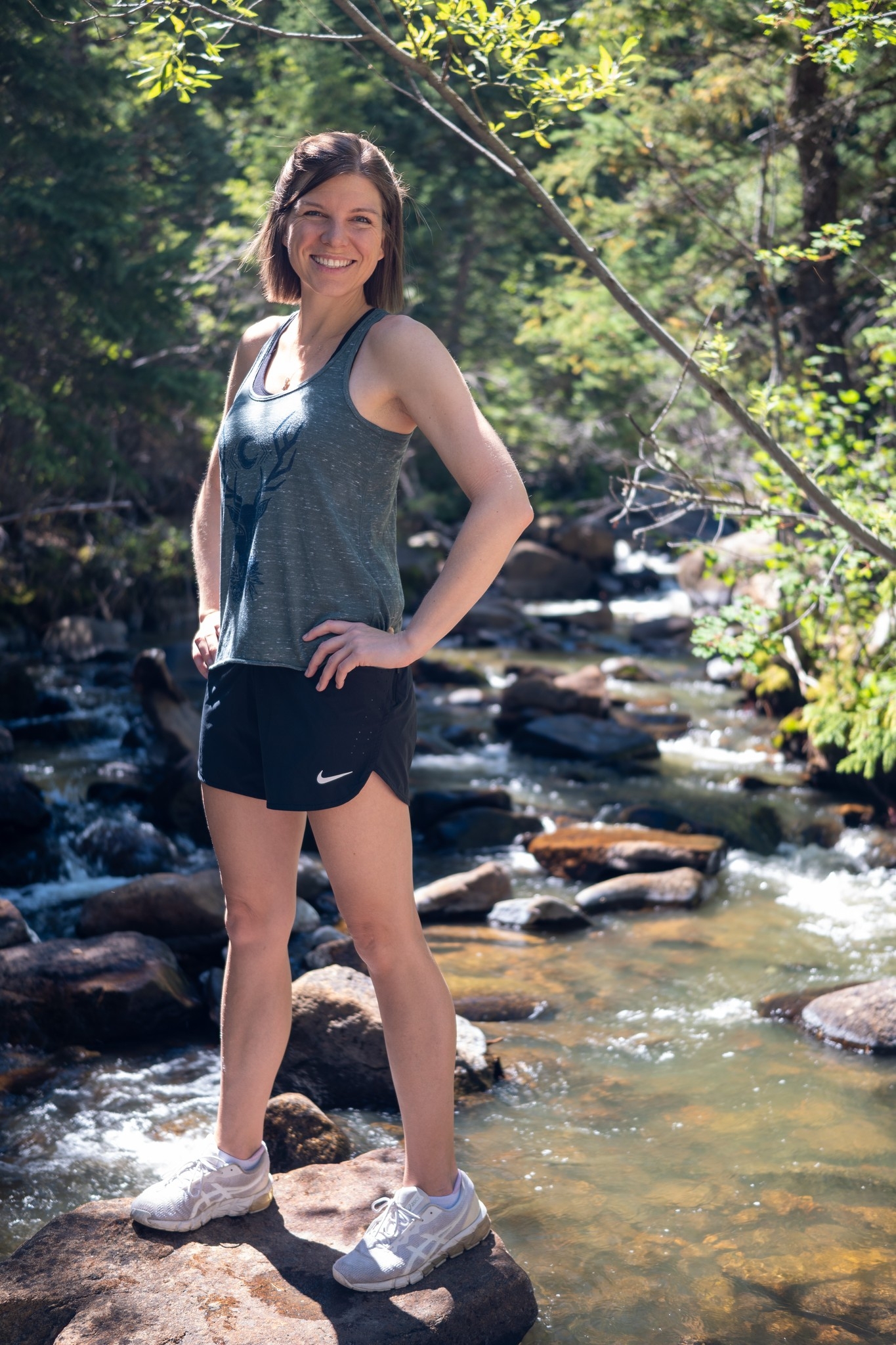
Dr. Samantha Boldt
DC, CFMP
Hi, my name is Dr. Samantha Boldt and I'd like to invite you to attend a very special webinar event titled: "Ditch the Painful Cycles and Fatigue: 3 Steps to Boost Energy and Balance Your Hormones"
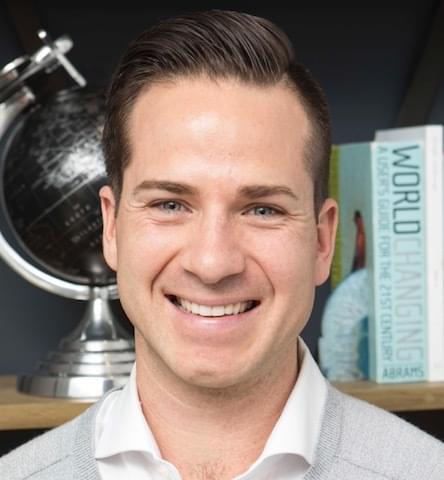
Dr. Isaac Jones
7-Figure Virtual Practice Coach
Time left until next webinar
Thursday,
February 17th, 2020
at 8pm EST
Dr. Isaac Jones
7-Figure Virtual Practice Coach
Here's What You'll Learn...
What should a normal cycle actually feel like?
The limitations of traditional medical care and why it doesn't always help
How to properly test for hormone imbalances and track your cycle to give you the best insight
How to change the different metabolic pathways in the body that directly affect hormones
So if you're serious about wanting to
Get Your Hormones Under Control without Unanswered Questions and No Results...
Meet Your Host
Dr. Samantha Boldt
Dr. Samantha Boldt is a functional medicine practitioner located in Colorado. She has had over 500 hours in post-grad functional medicine and hormone training and has become very passionate about educating women about their bodies, their health, and that painful periods are not normal! Dr. Sam herself is a painful period conqueror and also had to overcome chronic lyme disease. Because of her past experiences , she strongly believes that your ability to show up in this lifetime for the ones you love (including yourself) is completely dependent on the health of your body and mind. Women's health has been put in the background or outright ignored for far too long. Women and their hormones are not some great mystery yet to be discovered. We have the knowledge, we just need to do a better job of spreading that information around! She is now taking her 10 year brick-and-mortar practice on-line to help serve, reach, and educate more women about what good hormone health means.
Testimonials from Dr. Samantha Boldt's Training
Cheryl
I have loved working with Dr. Sam! She was the first doctor that I felt truly listened to by, and the first appointment was much more in-depth than anything else I’ve experienced. It was fascinating learning about the body as a whole, rather than just focusing on one symptom or one lab result. I went in because I was having digestive issues, really painful cycles that would sometimes show up and sometimes not, and some mood stuff. I’ve been working with Dr. Sam for 8 months now, and all of those complaints are gone!
Allison
I started seeing Dr. Sam because of high anxiety that felt like it was getting in the way of life, and then a few other more hormone related symptoms. I really didn’t want to go on medication, and she said give me 4 months. If there have been no changes by then, , you can look into medication while we keep improving your health. We worked on a few small dietary changes, added in some supplements after getting the lab results back, and also worked on life habit changes. I thought there was no way we were going to get the changes I was looking for. But by 2 months in, I was already noticing some pretty big differences, and after 6 months, I feel better than I ever have!
©2023 Copyright Dr. Samantha Boldt
This site is not a part of the Facebook website or Facebook Inc. Additionally, This site is NOT endorsed by Facebook in any way. FACEBOOK is a trademark of FACEBOOK, Inc.