

Estrogen Break-Down Products: Are Yours On The Right Path?
Estrogen Metabolites: Are Yours On The Right Path?
Healthy estrogen levels play a big part in our health and well-being, for both men and women. However, their breakdown products can play just a large of role, and sometimes are even more important! These break-down products are called metabolites and are produced during phase one liver detoxification. They then need to be transformed during phase two liver detoxification so that they can exit the body. If our body and detoxification processes can’t keep up, we end up with too many metabolites, which can create negative health effects.
All right, let’s back up a second. So first we create our estrogens. Next, these estrogens get transformed into a breakdown product, or metabolite. The three main estrogen metabolites are 2-OH, 4-OH, and 16-OH.
2-OH is the best pathway, and we want close to 65-80% of the estrogen metabolites being created to go down this path. 2-OH has relatively few negative side effects and is easily excreted from the body. 4-OH is the least healthy pathway. 4-OH metabolites are more likely to cause DNA damage, resulting in possible cancer. We only want to see 4-OH at around 7-11%.
Finally, 16-OH is kind of in between. It tends to cause cell growth, which we need to some extent to help with bone and muscle growth. However, if it gets too high, it can also help cancers to grow as well as other unwanted tissue. We wat to keep 16-OH around 15-30%.
For the most part, all of the healthy things you can think of increase the activity of the enzyme that turns estrogen into the healthy and safe 2-OH. And, you guessed it, most of the unhealthy things increase the activity of the enzymes that create 4-OH and 16-OH. For example, eating a lot of cruciferous vegetables, exercise, getting good sleep, and less stress all help promote 2-OH production. Eating fast food, alcohol, smoking, and charred meats all promote 4-OH and 16-OH production.
Certain supplements can also be very beneficial to switching the pathways. Both curcumin and DIM are really helpful at increasing CYP1A1 activity, the enzyme that creates 2-OH.
So how do we know if we’re on the right path? We test! With easy urine tests, we can see the amount of metabolites being made, know the percentage of each, and also see how well certain detox pathways are working. Depending on the results, we can work on dietary, supplemental, and even some lifestyle changes to get you back on track!
-Dr. Samantha Boldt
Want to learn more?

Dr. Samantha Boldt
DC, CFMP
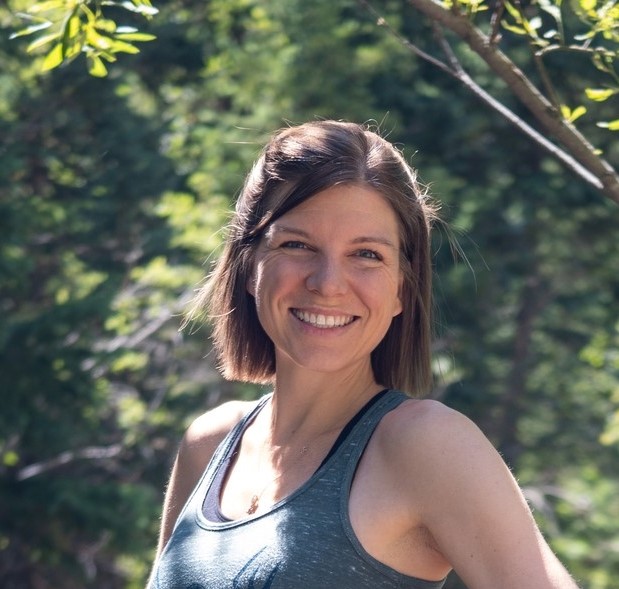
Hi, my name is Dr. Samantha Boldt and I'd like to invite you to attend a very special webinar event titled: "Ditch the Painful Cycles and Fatigue: 3 Steps to Boost Energy and Balance Your Hormones"
Dr. Isaac Jones
7-Figure Virtual Practice Coach
Time left until next webinar
Thursday,
February 17th, 2020
at 8pm EST
Dr. Isaac Jones
7-Figure Virtual Practice Coach
Here's What You'll Learn...
What should a normal cycle actually feel like?
The limitations of traditional medical care and why it doesn't always help
How to properly test for hormone imbalances and track your cycle to give you the best insight
How to change the different metabolic pathways in the body that directly affect hormones
So if you're serious about wanting to
Get Your Hormones Under Control without Unanswered Questions and No Results...
Meet Your Host
Dr. Samantha Boldt
Dr. Samantha Boldt is a functional medicine practitioner located in Colorado. She has had over 500 hours in post-grad functional medicine and hormone training and has become very passionate about educating women about their bodies, their health, and that painful periods are not normal! Dr. Sam herself is a painful period conqueror and also had to overcome chronic lyme disease. Because of her past experiences , she strongly believes that your ability to show up in this lifetime for the ones you love (including yourself) is completely dependent on the health of your body and mind. Women's health has been put in the background or outright ignored for far too long. Women and their hormones are not some great mystery yet to be discovered. We have the knowledge, we just need to do a better job of spreading that information around! She is now taking her 10 year brick-and-mortar practice on-line to help serve, reach, and educate more women about what good hormone health means.
Testimonials from Dr. Samantha Boldt's Training
Cheryl
I have loved working with Dr. Sam! She was the first doctor that I felt truly listened to by, and the first appointment was much more in-depth than anything else I’ve experienced. It was fascinating learning about the body as a whole, rather than just focusing on one symptom or one lab result. I went in because I was having digestive issues, really painful cycles that would sometimes show up and sometimes not, and some mood stuff. I’ve been working with Dr. Sam for 8 months now, and all of those complaints are gone!
Allison
I started seeing Dr. Sam because of high anxiety that felt like it was getting in the way of life, and then a few other more hormone related symptoms. I really didn’t want to go on medication, and she said give me 4 months. If there have been no changes by then, , you can look into medication while we keep improving your health. We worked on a few small dietary changes, added in some supplements after getting the lab results back, and also worked on life habit changes. I thought there was no way we were going to get the changes I was looking for. But by 2 months in, I was already noticing some pretty big differences, and after 6 months, I feel better than I ever have!
©2023 Copyright Dr. Samantha Boldt
This site is not a part of the Facebook website or Facebook Inc. Additionally, This site is NOT endorsed by Facebook in any way. FACEBOOK is a trademark of FACEBOOK, Inc.